Start here · freeFree valuationGrow your valueGot an offer?Start now
The EngineAI vs. BrokerFeesGuidesFAQThe Team
Free valuation — 60 seconds →Create free accountCall (888) 560-5852

For roofing contractors · US & Canada

Sell your roofing company. Your commercial book is worth more than you think.

Platforms are looking past storm-chasing volume for durable, contracted revenue. Know your number first — free, anonymous, 60 seconds — then sell quietly, paid only when you close.

Free roofing valuation · 60 seconds

What is your roofing company worth?

60 seconds · anonymous · no email

Rows of clay roof tiles in raking light
Residential
A two-person crew, seen from behind, laying dark roof tiles on a new building as a crane lifts materials
New build
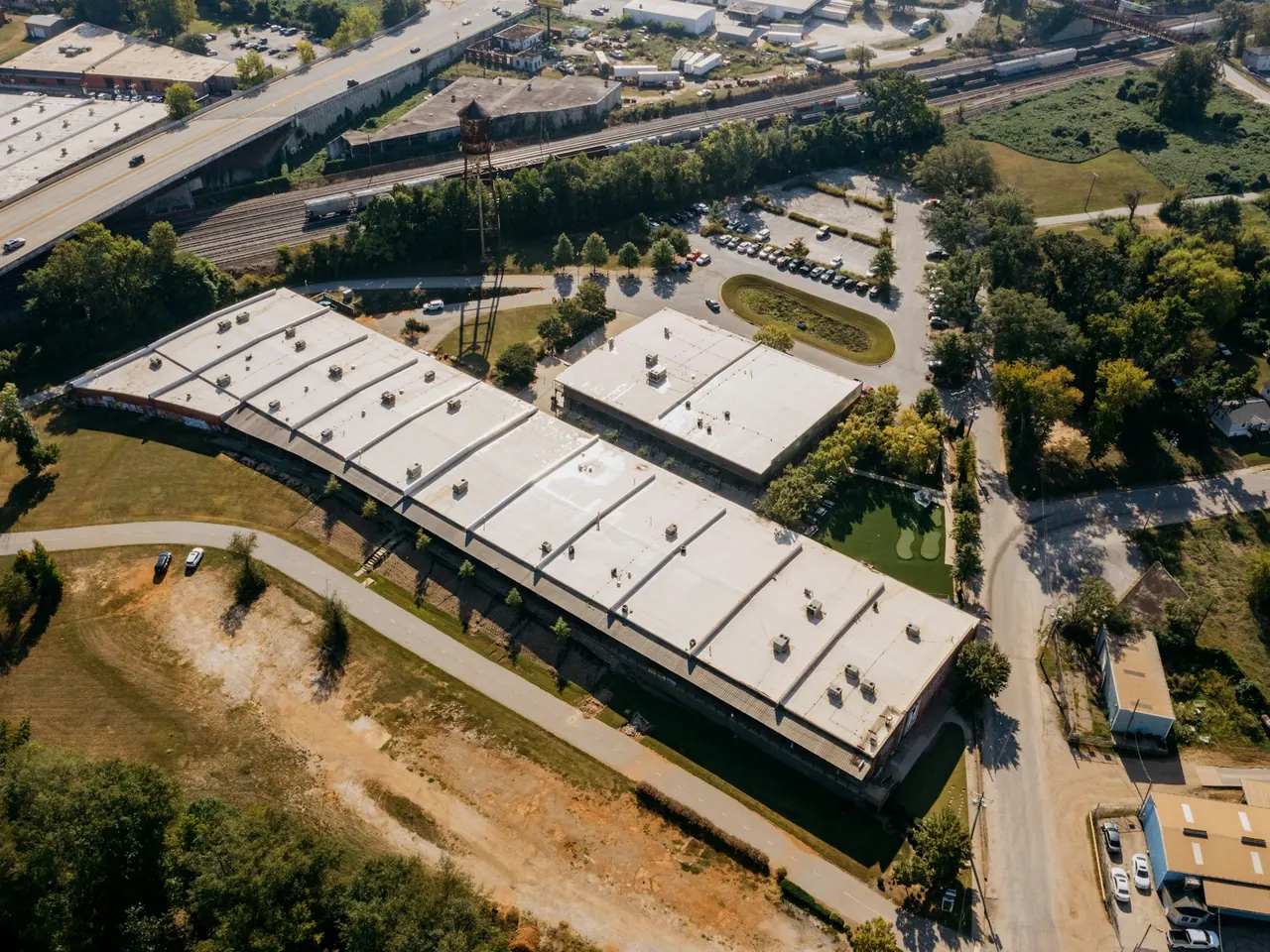
Aerial view of long, low commercial buildings with flat roofs
Commercial

In short

Owner-operated roofing companies typically sell for about 2–3x seller’s discretionary earnings (SDE). Companies with $1M+ of EBITDA trade around 4.5–7x EBITDA, and platform deals 8–10x, with the highest multiples going to businesses with meaningful commercial and recurring-maintenance revenue, low reliance on storm-chasing volume, and crews who intend to stay. These are market ranges, not a quote or a guarantee. A free, confidential read of your actual numbers narrows it — not an appraisal.

The honest version

What roofing companies actually sell for.

The difference between the bottom and the top of the range is rarely about revenue — it is about how predictable that revenue is. Commercial and service-heavy mixes sit at the top.

Owner-operated2–3×seller’s discretionary earnings (SDE)
$1M+ EBITDA4.5–7×EBITDA — commercial and service-heavy at the top
Platform deals8–10×EBITDA, platform-scale roofing businesses

Market ranges, not a quote or a guarantee. Get your own range →

Commercial vs residential vs storm work

Not all roofing revenue is priced the same.

Buyers price each kind of work by how predictable it is and what margin it carries. The mix you sell with decides where in the range you land.

Valued highest

Commercial & maintenance contracts

Meaningful commercial and recurring-maintenance revenue is what the highest multiples go to — and what PE-backed platforms pay the most for.

Predictability
Buyer appetite
Valued well

Negotiated re-roof work

Negotiated commercial and re-roof contracts are valued far more highly than insurance-restoration or storm volume.

Predictability
Buyer appetite
Discounted

Storm & insurance-restoration volume

Unpredictable and margin-thin. Buyers normalize earnings across storm years — a big storm season is not your run rate.

Predictability
Buyer appetite

Your warranty book

A large book of outstanding manufacturer or workmanship warranties is examined closely; how it is managed and reserved for matters as much as its size.

Safety record & experience mod rate

A clean safety history and a favorable experience modification rate lower a buyer’s perceived risk and insurance cost — and it shows up in the multiple.

Illustrative ratings drawn from how buyers describe each kind of work — qualitative, not a scoring of your company.

The buyers

Who buys roofing companies — and what each pays for.

The range is wide because the same business is worth different amounts to different buyers. In roofing you are usually looking at three.

Which of those is at your table changes your number far more than anything on your equipment list.

  • PE-backed home-services platformsThe most active buyers, usually paying the most for companies with real commercial and maintenance-contract revenue.
  • Regional strategicsEstablished competitors expanding their footprint. They know your market and often move fastest.
  • Individual and search-fund buyersTypically for smaller companies, usually with more financing contingency and a slower path to close.

Crew retention

Buyers are acquiring capacity. A company that cannot hold its crews is buying the acquirer a problem; experienced crews who intend to stay are a genuine asset.

A note on timing that costs owners real money: buyers normalize earnings across seasons and storm years and look for two to three years of clean, consistent financials. The work needs to be done before the numbers you are selling on are created.

Sell it without your crews finding out

Never listed. Quietly competitive.

Most owners are approached directly, unsolicited, by a consolidator or platform buyer. That letter is flattering — and the most expensive one you can accept, because a buyer negotiating against nobody has no reason to move on price or terms.

The result of a real process is not only a better number. It is better terms: what happens to your team, how long you stay, how the earn-out is structured, and what happens to any real estate.

How selling with Sentinel works

Start free. Sell when you decide.

  1. 1

    Know your number

    60 seconds, anonymous, no email. Your range from reported sales of comparable businesses.

    Get my free valuation →
  2. 2

    Open your free account

    One email. Ask Vera, our AI, anything; see what moves your number with your Exit Profile; get a free read on any offer.

    Create my free account →
  3. 3

    Sell on your terms

    Next quarter or in five years. The AI works your sale 24/7, a senior principal leads, and you approve every step. Most sales take six to twelve months.

    See how the engine works →

Real people, accountable

An M&A team that never sleeps. And people who answer for it.

Tamir Wolfson
Tamir WolfsonManaging Partner
Saransh Bhatt, Senior Director
Saransh BhattSenior Director
Louise Crivelenti
Louise CrivelentiHead of Sentinel Corporate Development
Corey Young, DDS, MBA, CVA, ABI
Corey YoungDirector of Sell-Side Engagements
Adam Taha
Adam TahaDirector, M&A & Private Equity
Liz Hardy
Liz HardyVP Relationship Management

Meet the team →

Prefer a person?

What would buyers actually pay for your roofing business?

Tell us the basics — crews, commercial vs residential mix, how much is storm work. A principal, not a call center, reviews it personally and replies within one business day with an honest range. No listing. No pressure.

Or call (888) 560-5852

You’ll also get a free private account to keep it — we’ll email you a secure sign-in link. No password.

Confidential by policy. Seen only by our senior team. Or call (888) 560-5852.

  • Your inquiry is seen only by our senior team.
  • No public listing, ever.
  • We never contact your staff, customers, or landlord.

Straight answers

Roofing owners ask us these first.

More in our seller guides — or ask Vera in your free account.

What is my roofing business worth?

Owner-operated roofing companies typically sell for about 2–3x seller’s discretionary earnings (SDE). Companies with $1M+ of EBITDA trade around 4.5–7x EBITDA, and platform deals 8–10x, with the highest multiples going to businesses with meaningful commercial and recurring-maintenance revenue, low reliance on storm-chasing volume, and crews who intend to stay. These are market ranges, not a quote or a guarantee. A free, confidential read of your actual numbers narrows it — not an appraisal.

Who buys roofing companies?

Three groups: private-equity-backed home services platforms, regional strategic competitors expanding their footprint, and individual or search-fund buyers for smaller companies. Each values the same business differently, which is exactly why competition among them matters.

How do I sell my roofing business without my crews finding out?

By never listing it. We run a confidential process in which qualified buyers sign confidentiality agreements before they learn which company is for sale. Nothing is advertised, and you decide when and how your team is told.

The engine, pointed at roofing

What Sentinel’s AI looks for in a roofing business.

Before market

  • Commercial and maintenance contract share
  • Storm vs. retail vs. commercial mix
  • Crew retention and subcontractor reliance
  • Warranty exposure and claims history
  • Backlog quality

Buyer matching

  • Roofing consolidators (PE-backed)
  • Strategic exterior platforms
  • Regional contractors
  • Independent sponsors

Researched and scored against your business — approached under NDA, only with your written go-ahead.

Buyer Simulation

  • How storm-chasing revenue gets discounted
  • Warranty-reserve questions
  • Sub reliance vs. self-perform in every model

Found and fixed before you go to market — not in diligence, where it costs you money.

Offer analysis

  • Cash at close vs. headline price
  • Earnout terms and real odds
  • Escrow, notes and working capital
  • Your exposure, offer by offer

Free Exit Profile: your range, your value drivers scored and each fix priced in dollars — eleven questions, about three minutes, no email needed to see it. Open my roofing Exit Profile →

☎ CallFree valuation →